
NEITE: New England News and Stories That Matter Locally
What’s changing in your community, and how does it connect to the rest of New England? NEITE brings regional news into focus, covering the decisions, developments, and everyday events that influence life across the Northeast. From transportation projects and business developments to local government, culture, and community initiatives, our coverage helps readers understand what’s happening close to home.
New England is made up of six states, each with its own identity, challenges, and priorities. NEITE brings their stories together through a regional perspective, connecting local developments to the wider issues affecting residents, businesses, and communities.
News Across New England
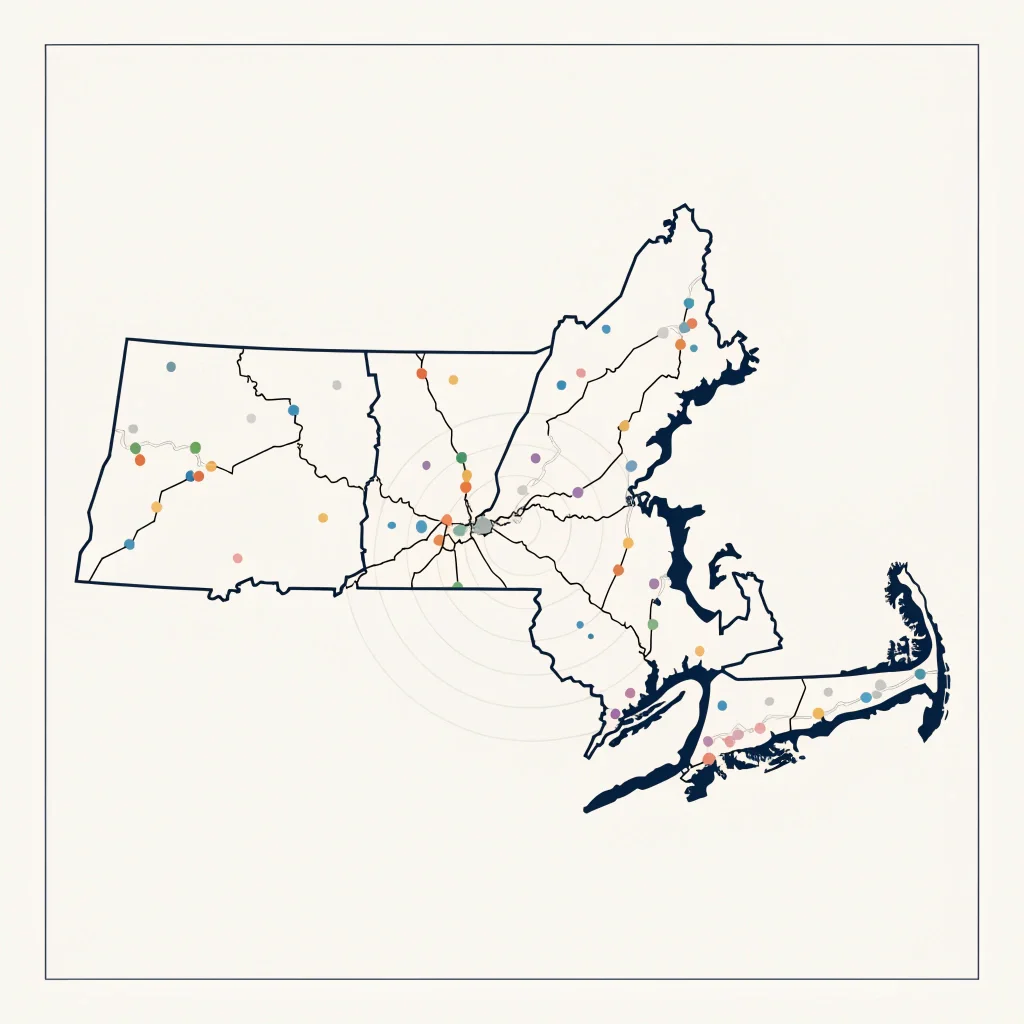
NEITE focuses on Massachusetts, Connecticut, Rhode Island, New Hampshire, Vermont, and Maine. Our regional approach creates a place for stories from individual towns and cities alongside developments that affect multiple states.
Boston’s transportation decisions, housing discussions in Portland, business developments in Hartford, and environmental concerns in Vermont may begin as local stories. Their implications can extend across state lines, influencing how communities plan, invest, and respond to change.
Our geographic coverage includes:
- Massachusetts: Boston, Worcester, Springfield, Cape Cod, and communities throughout the Commonwealth.
- Connecticut: Hartford, New Haven, Stamford, and developments across the state.
- Rhode Island: Providence, Newport, Warwick, and surrounding communities.
- New Hampshire: Manchester, Concord, Portsmouth, and the state’s cities and towns.
- Vermont: Burlington, Montpelier, rural communities, and statewide issues.
- Maine: Portland, Augusta, Bangor, coastal communities, and northern Maine.
Each state has its own news priorities. NEITE’s regional structure makes it easier to explore coverage by location while discovering stories with broader significance.
Explore Our News Coverage
Our editorial categories reflect the subjects that shape daily life in New England. They provide clear starting points for readers following a particular issue or looking for a broader understanding of regional developments.
Local News and Government
Local decisions have a direct effect on neighborhoods, public services, development, and everyday routines. NEITE follows municipal developments, government announcements, community discussions, and public projects with attention to their practical implications.
Coverage focuses on what happened, who is affected, and what comes next. When a decision involves several communities or a statewide initiative, we examine the wider context to help readers follow its progress.
Business and Economy
New England’s economy includes major metropolitan centers, smaller cities, independent businesses, universities, and rural communities. Our business coverage examines developments affecting this diverse economic landscape.
Readers can explore company announcements, employment trends, commercial development, economic initiatives, and the changing conditions facing local businesses.
We also examine how regional economic developments connect to housing, transportation, education, and community growth.
Transportation and Infrastructure
Roads, bridges, rail networks, airports, and public transportation systems connect New England’s communities. Infrastructure decisions influence commuting, accessibility, business activity, and regional development.
NEITE gives transportation a dedicated place in its coverage, examining construction projects, transit proposals, traffic management, road safety, and infrastructure investment.
This subject provides a foundation for understanding how the region functions. Whether a project affects a neighborhood intersection or an interstate corridor, we focus on its purpose, progress, and implications for the people who depend on it.
Environment and Weather
New England’s coastline, mountains, forests, and changing seasons make environmental issues an important part of regional coverage.
NEITE explores environmental policy, conservation initiatives, coastal concerns, severe weather impacts, and community responses to changing conditions.
Our reporting connects environmental developments with their local consequences, including effects on infrastructure, businesses, recreation, and residential communities. Urgent weather information should always be checked against official forecasts and emergency notifications.
Culture and Community
Local festivals, historical landmarks, educational initiatives, arts organizations, and neighborhood activities contribute to New England’s distinctive character.
Our community coverage highlights the people, places, and events that help define the region.
Cultural stories may explore a museum exhibition, a community celebration, local traditions, or the history behind a familiar landmark. We also make room for stories about religious and cultural heritage, including the significance of celebrations such as Guru Nanak Jayanti within Sikh communities when there is a relevant New England connection.
The aim is to give regional life the attention it deserves beyond the day’s major headlines.
The Stories Behind the Headlines
A headline tells readers what happened. Understanding why it matters often requires additional context.
NEITE organizes its coverage around several editorial formats so readers can choose the depth and perspective they need.
| Format | What readers can expect |
|---|---|
| Breaking News | Timely reports on significant developments and emerging events. |
| Local Updates | Community-level news, announcements, and ongoing developments. |
| Explainers | Background information that makes complicated regional issues easier to understand. |
| Regional Features | Longer stories exploring places, people, and developments across New England. |
| Event Coverage | Information about notable community, cultural, and regional events. |
For ongoing stories, follow-up reporting is particularly important. A proposed transportation project, for example, may move through planning, public consultation, construction, and eventual completion.
Each stage raises different questions. Our editorial approach is designed to give readers a way to follow those developments over time while keeping individual articles understandable on their own.
Our Editorial Approach

NEITE’s editorial direction begins with a straightforward question: what does this development mean for people in New England?
A story’s relevance depends on its geographic connection, public significance, timeliness, and potential impact on communities. A statewide infrastructure announcement may warrant regional coverage, while a neighborhood initiative may be most useful to readers in one city.
We aim to distinguish established facts from proposals, predictions, and opinions. Official announcements, public documents, and statements from relevant organizations provide starting points for reporting, with additional context used where appropriate.
Dates matter, especially when projects, regulations, schedules, or public decisions change. Articles should make clear when information was published and be updated when new developments materially change the story.
NEITE also distinguishes reporting from commentary and sponsored content. Readers should be able to recognize the nature of a piece and understand where important information originated.
Corrections and clarifications are part of this approach. When a material error is identified, the relevant article should be reviewed and corrected transparently.
New England Beyond State Lines
Many of the region’s important stories involve connections between communities.
A commuter may live in Rhode Island and work in Massachusetts. A business in southern New Hampshire may serve customers across several states. Environmental decisions affecting a shared watershed can involve multiple jurisdictions.
These connections create opportunities for regional journalism.
NEITE examines cross-border developments through transportation, economic activity, environmental issues, and public policy. We place local reporting within the broader regional picture when that context helps readers understand the consequences.
At the same time, state and local perspectives remain essential. A development affecting Boston may have different implications for a smaller Massachusetts community or a neighboring state.
Our coverage is organized to preserve those distinctions while showing how New England’s communities influence one another.
-
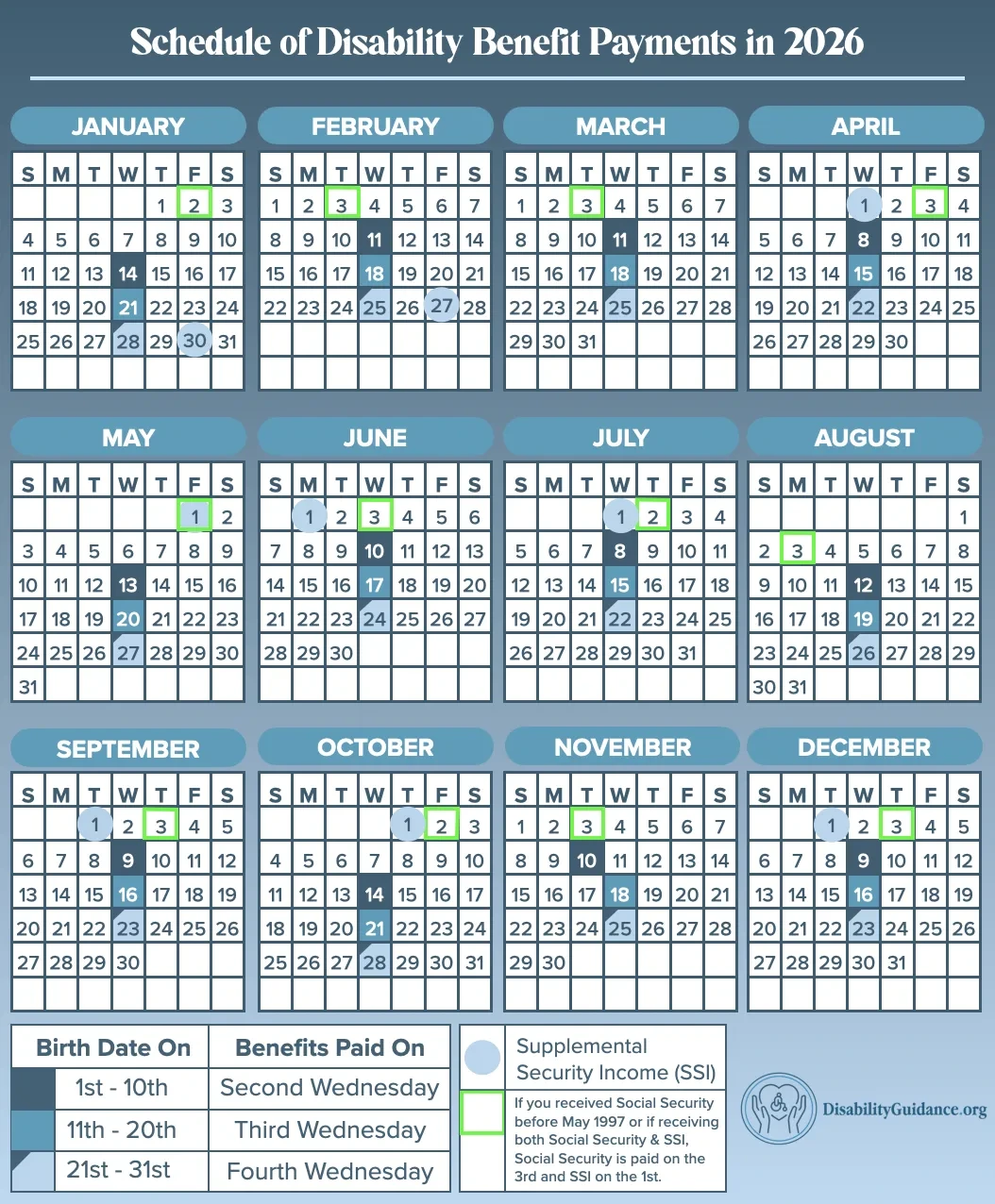
July 8 Social Security Distribution: Who Received Payments and the Full July 2026 Schedule
The July 8 Social Security distribution was the first regular Wednesday payment of July 2026. It covered beneficiaries whose birthdays fall between the 1st and 10th of any month, provided they follow the standard birthday-based payment schedule. The Social Security Administration (SSA) issued the remaining regular payments on July 15 and July 22. Supplemental Security…
-
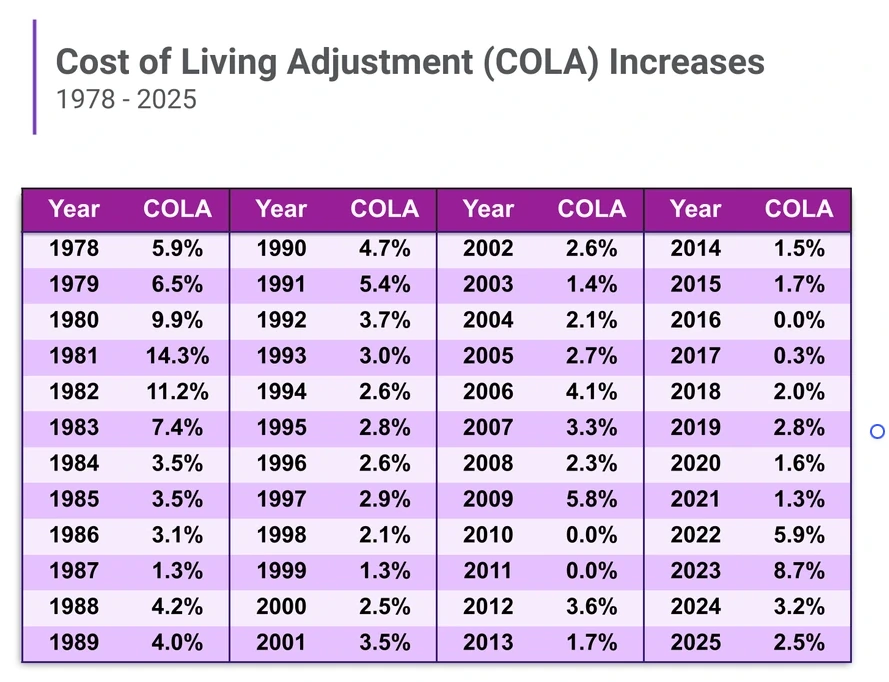
Social Security 2027 COLA Increase: How Much Could Your Benefits Rise?
Social Security recipients could receive a cost-of-living adjustment (COLA) of 3.5% to 3.6% in 2027, according to forecasts released on September 11, 2026. The projected increase would exceed the 2.8% adjustment applied to benefits this year, potentially adding approximately $68 to $75 to an average monthly payment, depending on the benefit figure used. The Social…
-

The N Word Pass: Why Schools Must Address Its History and Harm
An N word pass is an informal claim that a Black person has given someone, usually a non-Black peer, permission to use the N-word. It may take the form of a paper card, a verbal agreement, or an exchange presented as a joke. There is no recognized permission system behind it, and an agreement between…
-

James Hagens Finds His Place on Bruins’ Young Line Ahead of New Season
James Hagens is making an early impression at Boston Bruins training camp, skating alongside Fraser Minten and Marat Khusnutdinov on one of the youngest forward combinations in the NHL. The 19-year-old prospect has brought speed and creativity to a line that could become an important part of Boston’s plans for the 2026-27 season. Head coach…
-

ASCE 7-22: Design Load Requirements, Major Changes and PDF Access
ASCE 7-22 establishes minimum design loads and associated criteria for buildings and other structures in the United States. Published by the American Society of Civil Engineers (ASCE) and its Structural Engineering Institute (SEI), the standard addresses structural demands arising from gravity, wind, earthquakes, snow, flooding, tornadoes, and other hazards. The 2022 edition, formally titled Minimum…